
Ways to Control and Reduce IP Cost (Part 1)
One of the ongoing concerns of Legal or R&D departments is controlling or reducing IP cost while keeping a meaningful rate of patent filing to ensure protection for the future. This is even more meaningful in an era of belt-tightening during an economic downturn. Depending on the accounting practices used, IP prosecution cost is normally expensed or capitalized over the course of a few years. Sometimes, this cost is categorized under the overhead account of selling, general & administrative expense (SG&A), which management is always trying to reduce.
In this post and our next one, we will point out several simple, but often neglected, methods of reducing this cost. These methods are mostly applicable to medium-size companies with over 200 patents in their portfolios. Blue chip companies normally have well established IP departments while start-ups normally do not file enough patents to necessitate a separate in-house manager.
1. Bringing things under control
The first step to controlling the cost is to know exactly what you own. This can be done by review of the portfolio, bucketing patents under different categories and creating a keyword index for all patents. This makes it easier to find patents and patent families as well as reduces the chance of double patenting with larger, unmanageable portfolios.
2. Efficient use of software
If you do not have an IP management software already, and your portfolio is larger than a few hundred patents, it absolutely makes sense to use professional software to manage all processes from idea submission to application, prosecution, and later maintenance. In smaller portfolios with 50 assets or less, a simple Excel spreadsheet can be used to keep track. If it is not doable for your IT department to build and support an in-house tool, there are many customizable tools available by different vendors. These software tools range in price from few thousands to a few hundred thousand dollars annually depending on the capabilities and modules you choose to use. Note that these tools are tuned for IP management and are different than the ones used by law firms solely for docketing and other purposes.
3. Patent committees and internal disclosure review meeting
If you are a medium-size company with a national or international operation, it is not feasible for the IP manager or the IP counsel to know all inventors or all active projects, and make a decision for filing for all types of ideas. It is much more sensible to use dedicated review committees for different business units to handle the decision process for new disclosures. A typical review committee should include individuals from marketing, research and legal with broad knowledge around the invention topic and the market segment. Oftentimes, a good discussion with the right committee and inventors may turn a raw idea into more developed one and will result in more solid inventions with strong claims at a much lower cost. Many times, ideas are dropped, corrected, broadened, combined or evolved in these brainstorming sessions. As a side benefit of these meetings, overall institutional knowledge increases and committee members as well as inventors learn about cross-pollinating their fields of expertise over time.
More insights
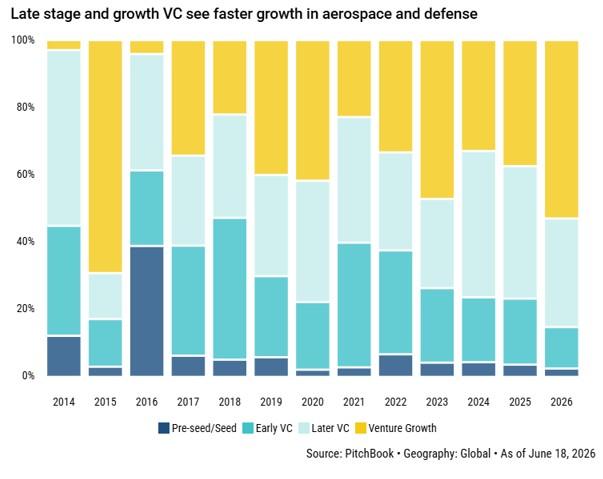
Space Tech Investment Grows in 2026 Amid Congressional Proposals Affecting Contractual IP Rights
Written by : Tom Cowan Key Takeaways : Private investment in space technology continues an upward trend in 2026, with increasing growth in late stage and venture growth deals, including private equity purchases. Against a backdrop of the “dual…
Amendments to Mexico S Federal Law for Protection of Industrial Property Inform More Flexible International Ip Strategy for Biotech Companies
Written by : J ason J. Jardine and Lizzy T. Do Key Takeaway: Amendments to Mexico’s Federal Law for Protection of Industrial Property align more with U.S. Patent and Trademark Office standards for restoring priority and application revival,…
Public Funding for Energy Innovation Impacts Private Intellectual Property Rights
Written by : Kimberly M. Papadantonakis, Ph.D. Key Takeaway : The value of intellectual property developed using government funds depends upon compliance with disclosure and licensing rules. Public investment is critical to the development and…