
Want to get a patent? Consider lottery tickets instead.
Contributed by trpatents.com. Originally published on Patexia; republished here as part of the LexDana archive.
It is a bold statement, meant to shock, but there is a nugget of truth behind it. Consider the following.
For $20k, a small company could buy 100 pizzas, enough drinks for 200+ people, and about 18000 scratch-off lottery tickets. After a few hours of partying, the company will know whether the $20k “investment” has turned a profit or a loss.
For $20k, the company could alternatively have an attorney prepare and prosecute a US patent application. After 3-5 years (of likely headaches and frustration) the company may fortunate enough obtain a US patent. Note to reader: the patent is not currency and it is not a gift card - it does not guarantee money. Unless the patent is a planned portion (a return on investment portion or a defensive portion) of a well-conceived business plan, it is statistically likely that the patent will not generate profit for the patent owner.
In a nutshell, for the company that is considering getting a patent, unless there is a well-conceived plan for using the patent (e.g., obtaining a return on investment or using it defensively), investing in lottery tickets may be a more efficient way of generating profit.
Clearly, the absurdity of the above-discussed comparison is provided to highlight the important notion that obtaining a patent does not equate to gaining money. Patent savvy entrepreneurs and companies already know this. However, for many small companies or start-ups, this may come as a surprise (but it is worth knowing).
More insights
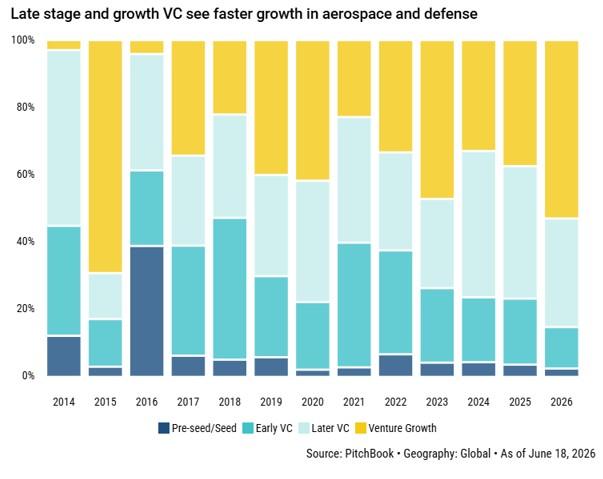
Space Tech Investment Grows in 2026 Amid Congressional Proposals Affecting Contractual IP Rights
Written by : Tom Cowan Key Takeaways : Private investment in space technology continues an upward trend in 2026, with increasing growth in late stage and venture growth deals, including private equity purchases. Against a backdrop of the “dual…
Amendments to Mexico S Federal Law for Protection of Industrial Property Inform More Flexible International Ip Strategy for Biotech Companies
Written by : J ason J. Jardine and Lizzy T. Do Key Takeaway: Amendments to Mexico’s Federal Law for Protection of Industrial Property align more with U.S. Patent and Trademark Office standards for restoring priority and application revival,…
Public Funding for Energy Innovation Impacts Private Intellectual Property Rights
Written by : Kimberly M. Papadantonakis, Ph.D. Key Takeaway : The value of intellectual property developed using government funds depends upon compliance with disclosure and licensing rules. Public investment is critical to the development and…