
Some Like It Infringed? Monroe Estate Continues Intellectual Property Battles Despite Lack of Publicity Rights
Contributed by Knobbe Martens. Originally published on Patexia; republished here as part of the LexDana archive.

Written by Jonathan Hyman and Loni Morrow
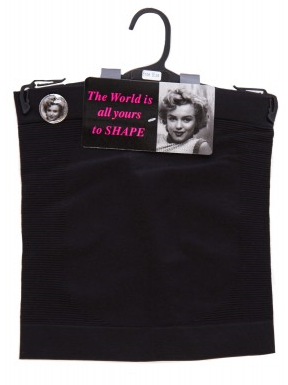
On Wednesday, November 9, 2016 the estate of Marilyn Monroe filed a complaint in the Southern District of New York against Fashion Central. The Monroe Estate claims that Fashion Central infringes its intellectual property rights in the MARILYN MONROE mark, among other things, by selling the following garments:
|
|
 |
 |
 |
The Monroe Estate claims that the garments depict an image of Marilyn Monroe alongside phrases that “further allude to her identity, name, or persona” such as:
- “Intimates are a woman’s best friend” (a play on Monroe’s song “Diamonds Are A Girl’s Best Friend”),
- “she was an iconic global movie star,”
- “timeless beauty,” and
- “the world is all yours to shape.”
The Monroe Estate claims that such uses are “intended to exploit [Monroe’s] celebrity and goodwill in order to increase sales of [Fashion Central’s] products, as well as to mislead the public to believe that these goods are legitimate licensed products authorized by the Monroe Estate.” The Monroe Estate also claims that it licenses the MARILYN MONROE mark for a competing line of undergarments and cites the following trademark registrations:

About four years ago, the Ninth Circuit Court of Appeals ruled that the Monroe Estate did not have a right of publicity in Monroe’s name and likeness under California law because Marilyn Monroe had died a citizen of New York. In New York, the right of publicity is extinguished at death. Unlike trademark rights, which can persist indefinitely so long as the mark is used, right of publicity claims may terminate depending on state law. This complaint does not assert any claims for right of publicity; rather, it focuses on trademark claims. Specifically, the complaint bases its allegations on:
(1) trademark infringement (Lanham Act, 15 U.S.C. § 1114(a) and common law),
(2) dilution of MONROE’s famous marks (Lanham Act, 15 U.S.C. § 1125(c) and N.Y. Gen. Bus. Law § 360-1),
(3) misappropriation and unfair competition (Lanham Act, 15 U.S.C. § 1125(a)(1)(A) and common law), and
(4) unjust enrichment.
The complaint does seek an injunction barring Fashion Central from using any “images of Monroe’s likeness.” While it is difficult to clearly see the accused products, it does not appear as though the words MARILYN MONROE appear on any of the examples cited in the complaint. Thus, this case may focus more on claims of trademark and misappropriation of Monroe’s “identity and persona” rather than infringement of the cited trademark registrations. Whether this quasi-right of publicity claim, disguised as a trademark claim prevails, remains to be seen.
Editor: Catherine Holland
More insights
Not All Mifflins Are Equal: When Commercial Impression Saves the Day
Written by : Rosaleen Chou Key Takeaway: Even where goods are identical or closely related, the TTAB continues to place significant weight on differences in commercial impression. A mark’s meaning, whether driven by pop culture context or literal…
Sound Marks They Are More Than Just Alright Alright Alright 20260629
Written by : Charlene A. Azema & Alexander G. Trimes Key Takeaway: Non-traditional trademarks like sound marks can provide valuable protection for distinctive sounds that function as source identifiers, particularly where other forms of intellectual…
Should Have Written a Better Consent and How Ey
Written by : Catherine Holland & Eric R. Blosser Key Takeaway: The Trademark Trial and Appeal Board (“ TTAB ” or “the Board”) afforded no weight to a bare-bones trademark consent agreement that contained no provisions for the…