
Recent Update on Patent Trial Practice Guide
Contributed by Knobbe Martens. Originally published on Patexia; republished here as part of the LexDana archive.
The United States Patent and Trademark Office (USPTO) published an update to the AIA Trial Practice Guide (‘‘Trial Practice Guide’’) in August 2018 to revise guidance on practices before the Patent Trial and Appeal Board (‘‘Board’’). The original Trial Practice Guide was published in 2012 at the same time as the promulgation of AIA Trial Rules. The Trial Practice Guide contains informative material of standard practices in front of the Board, and outlines procedures during AIA trials. The recent update incorporates the Board’s current practices and changes in applicable regulations.
The update includes revisions to six sections of the Trial Practice Guide:
- Use of expert testimony (§ I.G)
- Word Count and Page Limits (§ II.A.3)
- Considerations of non-exclusive factors in instituting a review (§ II.D.2)
- Providing for sur-replies to principal briefs as a matter of right (§ II.I)
- Challenging admissibility and the proper use of motions to exclude and motions to strike (§ II.K)
- Oral hearing procedures before the Board (§. II.M)
The update also includes a sample scheduling order in Appendix A, showing changes such as replacement of observations on cross-examination with sur-replies that offer patentees the last word on patentability.
The USPTO has chosen to issue the updates on a section-by-section rolling basis and anticipates future release of revisions on a periodic basis. The recent update of the Trial Practice Guide can be viewed from the USPTO website at https://go.usa.gov/xU7GP, and the full version of the 2012 the Trial Practice Guide can be found on the USPTO website at https:// go.usa.gov/xU7GK.
Written by: Jane Xia & Eric Furman, Ph.D.
More insights
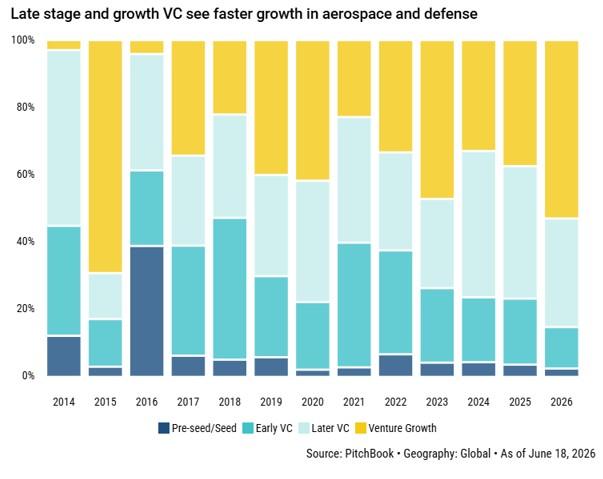
Space Tech Investment Grows in 2026 Amid Congressional Proposals Affecting Contractual IP Rights
Written by : Tom Cowan Key Takeaways : Private investment in space technology continues an upward trend in 2026, with increasing growth in late stage and venture growth deals, including private equity purchases. Against a backdrop of the “dual…
Amendments to Mexico S Federal Law for Protection of Industrial Property Inform More Flexible International Ip Strategy for Biotech Companies
Written by : J ason J. Jardine and Lizzy T. Do Key Takeaway: Amendments to Mexico’s Federal Law for Protection of Industrial Property align more with U.S. Patent and Trademark Office standards for restoring priority and application revival,…
Public Funding for Energy Innovation Impacts Private Intellectual Property Rights
Written by : Kimberly M. Papadantonakis, Ph.D. Key Takeaway : The value of intellectual property developed using government funds depends upon compliance with disclosure and licensing rules. Public investment is critical to the development and…