
PRESIDENT BIDEN SIGNS VAN HOLLEN LEGISLATION TO CURB IP THEFT

JANUARY 05, 2023
Today, President Biden signed into law U.S. Senator Chris Van Hollen’s (D-Md.) Protecting American Intellectual Property Act, bipartisan legislation he and Senator Ben Sasse (R-Neb.) introduced to mandate strong economic penalties on firms and individuals involved in stealing American intellectual property.
“In China and other countries across the globe, foreign corporations are working – often in coordination with authoritarian regimes – to steal our cutting edge technologies to gain unfair advantages at America’s expense. This also results in the off-shoring of American jobs and causes harm to our economy and our national security. We must act to deter these predatory practices by imposing high costs. That’s why I worked with Senator Sasse to write bipartisan legislation that creates clear consequences for the theft of U.S. intellectual property. With President Biden’s signature of our bill today, those who seek to steal American technology are officially on notice,” said Senator Van Hollen.
Background on the Protecting American Intellectual Property Act is below:
The Protecting American Intellectual Property Act requires a report to Congress within six months, and annually thereafter, identifying:
- Any individual or firm that has engaged in, benefitted from, or provided support for the significant theft of U.S. trade secrets, if that theft constitutes a major threat to the national security, foreign policy, economic health, or financial stability of the United States; and,
- The chief executive officers and board members of the reported firms and whether those individuals have benefitted from the significant theft of U.S. trade secrets.
Subsequently, the bill requires:
- For any firm identified in the report to Congress, the President must impose at least five sanctions from a comprehensive menu consistent with the Countering America’s Adversaries Through Sanctions Act. Among others, the menu includes property blocking sanctions, export prohibitions, the prohibition of loans from U.S. and international financial institutions, procurement sanctions, and prohibition of banking transactions.
- For any individual identified in the report to Congress, the President must impose property blocking sanctions and must prohibit the individual’s entry into the United States.
The legislation also includes a national interest waiver.
More insights
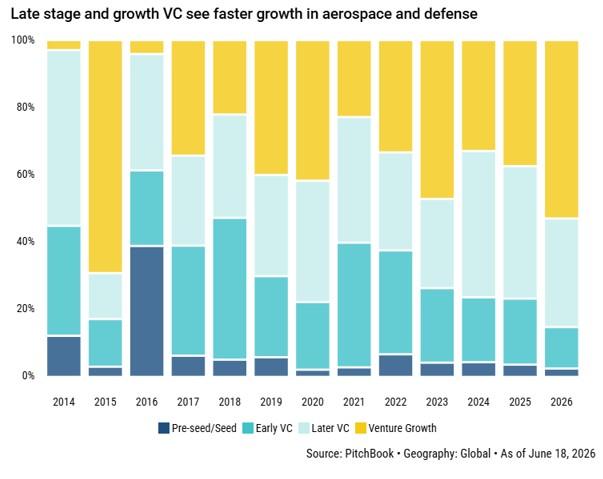
Space Tech Investment Grows in 2026 Amid Congressional Proposals Affecting Contractual IP Rights
Written by : Tom Cowan Key Takeaways : Private investment in space technology continues an upward trend in 2026, with increasing growth in late stage and venture growth deals, including private equity purchases. Against a backdrop of the “dual…
Amendments to Mexico S Federal Law for Protection of Industrial Property Inform More Flexible International Ip Strategy for Biotech Companies
Written by : J ason J. Jardine and Lizzy T. Do Key Takeaway: Amendments to Mexico’s Federal Law for Protection of Industrial Property align more with U.S. Patent and Trademark Office standards for restoring priority and application revival,…
Public Funding for Energy Innovation Impacts Private Intellectual Property Rights
Written by : Kimberly M. Papadantonakis, Ph.D. Key Takeaway : The value of intellectual property developed using government funds depends upon compliance with disclosure and licensing rules. Public investment is critical to the development and…