
Hmm . . . a Few Bars: Tesla Changes its Tune on Model 3 Trademark
Contributed by Green Patent Law. Originally published on Patexia; republished here as part of the LexDana archive.
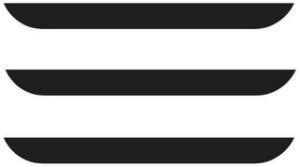
About a year ago, Tesla filed two new trademark applications in the U.S. Patent and Trademark Office (USPTO) – Application Serial Nos. 86/960,133 and 86/960,138 – the first for its three bars design and the second for the mark MODEL 3 with three bars:

Last month, Adidas filed an opposition proceeding in the USPTO opposing registration of the two applications. The problem was that Tesla’s trademark applications were not for electric vehicles, but for clothing.
In its Notice of Opposition, Adidas argued that it would be damaged if Tesla were to obtain these registrations because consumers would be confused by the similar trademarks used on related products and such use would dilute the distinctiveness of Adidas 3-bar brand:
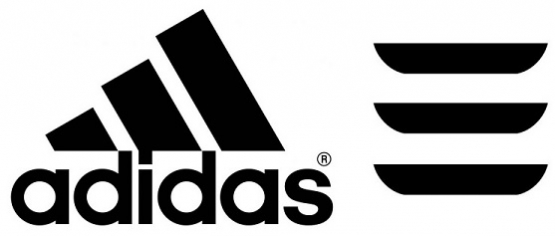
Tesla decided not to fight, instead withdrawing its trademark applications, which led the USPTO Trademark Trial and Appeal Board to declare Adidas the victor.
According to a few recent articles (e.g., on engadget and GeekWire), Tesla has changed its logo from three bars to the number 3.
From a quick scan of the federal trademark records, it doesn’t look like Tesla has filed any new trademark applications since giving up on the bars. However, the automaker has a pending application for MODEL 3 for clothing – Application Serial No. 86/301,896 – filed back in 2014.
Previous Entry: Should the USPTO Delay Publication of Trademark Applications? (Part 1)
This article was originally published on Eric's Green Patent Blog.
More insights
Not All Mifflins Are Equal: When Commercial Impression Saves the Day
Written by : Rosaleen Chou Key Takeaway: Even where goods are identical or closely related, the TTAB continues to place significant weight on differences in commercial impression. A mark’s meaning, whether driven by pop culture context or literal…
Sound Marks They Are More Than Just Alright Alright Alright 20260629
Written by : Charlene A. Azema & Alexander G. Trimes Key Takeaway: Non-traditional trademarks like sound marks can provide valuable protection for distinctive sounds that function as source identifiers, particularly where other forms of intellectual…
Should Have Written a Better Consent and How Ey
Written by : Catherine Holland & Eric R. Blosser Key Takeaway: The Trademark Trial and Appeal Board (“ TTAB ” or “the Board”) afforded no weight to a bare-bones trademark consent agreement that contained no provisions for the…