
Hey Alexa, Hey Echo, Hey Siri
Can Trade Secret Laws Protect Algorithm-Based Intellectual Property? 6 Steps for Employers to Consider
How do you protect algorithm-based intellectual property when traditional protections, like patent protections and copyright, do not apply to abstract ideas? Resorting to trade secret protections may not only be the best option but the only option. Achieving these protections, however, requires a skilled, thoughtful plan of execution and enforcement – you’ll need to consider everything from enforceable employee agreements to protections against inadvertent leaks to client disclosures to data security. Traditional protections for algorithm-based intellectual property are complicated and trade secret protections may be more appropriate in certain circumstances. So, what is algorithm-based intellectual property, and how can trade secret laws protect it? Here are six steps that employers should consider in this area.
Hey Alexa, Hey Echo, Hey Siri
Algorithm-based intellectual property is part of our daily lives:
Our morning routine includes the alarm clock that is activated at the ideal time in our sleep cycle, the housing thermostat that senses movement and knows to adjust the heat as we awake, the coffee maker that knows when to make the first cup of coffee, and the fridge that monitors consumption patterns and adds items to the grocery list as needed.
Leaving the home and heading into work, we check the real-time traffic and adjust the commute, maybe even check the weather to determine what to wear.
Leaving work at the end of the day, the GPS makes recommendations of where it thinks the driver is headed.
Haven’t moved from your desk in a while? Don’t worry, the device on your wrist is monitoring your heart rate, steps, and calories, letting you know when it is time to get up again to optimize health.
Employers also regularly turn to such technology. The use of background checks and credit scores at work can derive intelligence that may indicate what type of employee is being hired or student is being admitted into a college. Algorithms are also used to analyze video interviews to search for verbal and non-verbal cues that shed light on an individual. Algorithm-based analytics can monitor system use and access to determine which employees are at risk for defection and if any confidential information is at risk for being taken when the employee departs. These types of algorithms are highly valuable and worth protecting, but how?
More insights
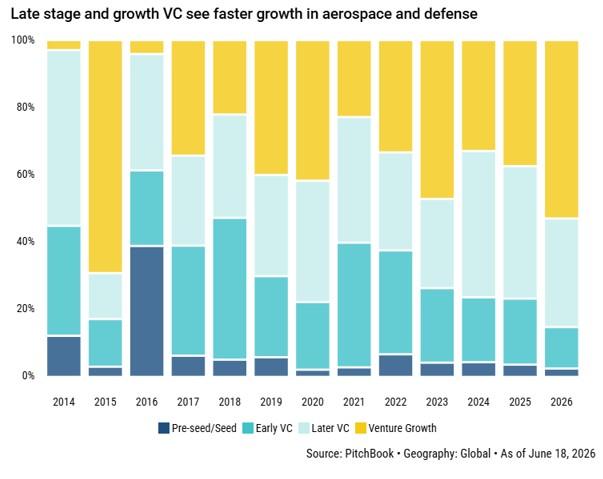
Space Tech Investment Grows in 2026 Amid Congressional Proposals Affecting Contractual IP Rights
Written by : Tom Cowan Key Takeaways : Private investment in space technology continues an upward trend in 2026, with increasing growth in late stage and venture growth deals, including private equity purchases. Against a backdrop of the “dual…
Amendments to Mexico S Federal Law for Protection of Industrial Property Inform More Flexible International Ip Strategy for Biotech Companies
Written by : J ason J. Jardine and Lizzy T. Do Key Takeaway: Amendments to Mexico’s Federal Law for Protection of Industrial Property align more with U.S. Patent and Trademark Office standards for restoring priority and application revival,…
Public Funding for Energy Innovation Impacts Private Intellectual Property Rights
Written by : Kimberly M. Papadantonakis, Ph.D. Key Takeaway : The value of intellectual property developed using government funds depends upon compliance with disclosure and licensing rules. Public investment is critical to the development and…