
Cancer Drug Patent Not Dead Yet
Contributed by Knobbe Martens. Originally published on Patexia; republished here as part of the LexDana archive.
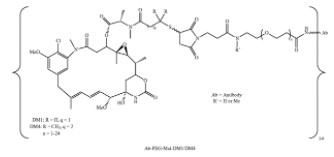
Last Friday, ImmunoGen won an appeal at the Federal Circuit in ImmunoGen, Inc. v. Hirshfeld. The lawsuit is a civil action to order the granting of U.S. Application No. 14/509,809 (‘809), titled “Anti-FOLR Immunoconjugate Dosing Regimens”:
A federal judge in Virginia ruled it unpatentable, but the Federal Circuit overturned that decision.
Technology
The ‘809 application relates to dosing for the cancer drug mirvetuximab, an immunoconjugate. Generally, immunoconjugates include (1) an antibody portion typically targeting a cell of interest, and (2) a drug coupled to the antibody through a chemical linker. The antibody portion of mirvetuximab targets a folate receptor often overexpressed in ovarian and peritoneal cancer cells.
Early clinical trials for mirvetuximab were mixed. The drug was effective, but caused ocular toxicity if dosage exceeded a certain threshold. The ‘809 application claimed dosing below this threshold: “a dose of 6 milligrams (mg) per kilogram (kg) of adjusted ideal body weight (AIBW) of the patient.” AIBW accounts for a patient’s sex, total body weight, and height.
Case Details
The district court had ruled on summary judgment that the ‘809 application was indefinite and obvious. However, the Federal Circuit held this violated proper procedure by resolving factual disputes against ImmunoGen, the non-moving party.
In one such dispute, the district court had found the ‘809 application indefinite partly because “for example” preceded the AIBW formula in the specification. It held this example did not fall within the claims and declined to hear expert testimony regarding whether a skilled artisan would use the formula. But the Federal Circuit pointed to a particular claimed dosing regimen for a specific immunoconjugate, reasoning this could lead one of skill in the art to choose a specific corresponding AIBW formula. This undermined the district court’s finding of indefiniteness.
In another factual dispute, the district court had held the claims obvious because based on prior art, a skilled artisan would have known to use AIBW dosing to address mirvetuximab’s side effects. The district court found ocular toxicity was a known side effect of immunoconjugates, even though there was no directly supportive expert testimony. The Federal Circuit pointed to contrary evidence in the record: that side effects were not well understood and that it is difficult to generalize the pharmacological effects of immunoconjugates.
Accordingly, the Federal Circuit overturned the indefiniteness and obviousness findings and sent the case back to the district court. Now ImmunoGen has another opportunity to pursue grant of the ‘809 application.
Written by: Alistair J. McIntyre
More insights
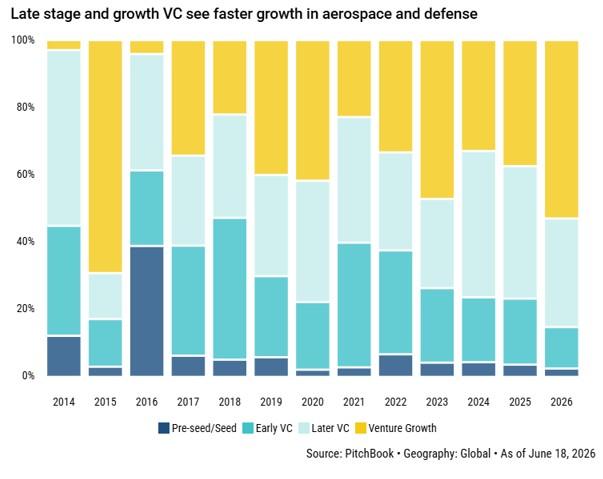
Space Tech Investment Grows in 2026 Amid Congressional Proposals Affecting Contractual IP Rights
Written by : Tom Cowan Key Takeaways : Private investment in space technology continues an upward trend in 2026, with increasing growth in late stage and venture growth deals, including private equity purchases. Against a backdrop of the “dual…
Amendments to Mexico S Federal Law for Protection of Industrial Property Inform More Flexible International Ip Strategy for Biotech Companies
Written by : J ason J. Jardine and Lizzy T. Do Key Takeaway: Amendments to Mexico’s Federal Law for Protection of Industrial Property align more with U.S. Patent and Trademark Office standards for restoring priority and application revival,…
Public Funding for Energy Innovation Impacts Private Intellectual Property Rights
Written by : Kimberly M. Papadantonakis, Ph.D. Key Takeaway : The value of intellectual property developed using government funds depends upon compliance with disclosure and licensing rules. Public investment is critical to the development and…