
Apple Ordered to Pay $506 Million to the University of Wisconsin for Infringing its Computer Processor Chip Patent
Contributed by Knobbe Martens. Originally published on Patexia; republished here as part of the LexDana archive.
Patent Judgments and Awards
Written by Baraa Kahf and Kendall Loebbaka
Edited by John Sganga, Joseph Cianfrani and Boris Zelkind
On July 25, 2017, a federal court in Wisconsin ordered Apple to pay a whopping $506 million for infringement of a patent on computer processor chip technology held by the Wisconsin Alumni Research Foundation (WARF), the licensing arm of the University of Wisconsin. WARF had sued Apple in January 2014. After trial in October 2015, a jury found in favor of WARF and awarded $234 million in damages. This jury award represented a $1.61 per unit royalty on the processor chips used in Apple’s mobile devices. WARF sought a premanent injunction or, alternatively, an award of ongoing royalties for sales occuring after the trial. The court rejected WARF’s motion for a permanent injunction. Apple conceded that a royalty award for continued sales was warranted, and the court agreed. WARF proposed an ongoing royalty of three times the jury’s per unit rate of $1.61, while Apple proposed keeping the same rate. The court nearly doubled the royalty rate to $2.74 per unit for Apple’s sales after October 26, 2015, the date of the judgment, through the expiration of the patent on December 26, 2016. The court did not find that Apple infringed willfully, but increased the rate because it found that WARF’s “improved bargaining position after the jury’s finding of infringement and validity” justified the increased royalty rate. The $2.74 per unit royalty rate was the rate originally proposed by WARF’s damages expert and discounted by the jury. Apple has appealed to the Federal Circuit.
More insights
Structuring Solar IP Claims for Leverage: How System Claims and Induced or Contributory Infringement Can Expand Enforcement Options
Written by: Tyler S. Cox Key Takeaways: Nextpower’s mix of apparatus and system claims illustrates how claim strategy can expand enforcement flexibility. Additionally, carefully drafting patent claims can expand the scope of protection of the claim…
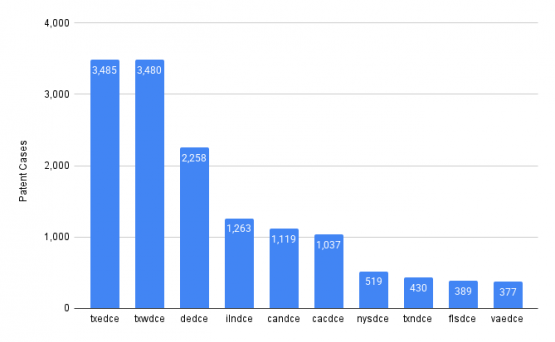
Patexia Insight 256: Patent Litigation Remains Concentrated in Key U.S. District Courts
U.S. District Court patent litigation continues to be one of the most consequential and data-rich arenas in intellectual property enforcement. Between July 1, 2020, and June 30, 2025, 18,352 patent cases were filed across federal courts, involving tens of…

Litigation Finance Tax Dropped From Trump S Big Beautiful Bill
In a major development for the billion dollar litigation finance industry, a tax provision targeting litigation funders has been removed from President Trump’s sweeping tax and spending legislation, dubbed the “Big, Beautiful Bill”,…